Introductory considerations: latex, processes, and the Swedish design mindset
Natural latex mattresses have long stood at the intersection of comfort, durability, and environmental responsibility. The two primary production methods—Dunlop and Talalay—shape not only the feel of the core but also its resilience and temperature behavior. Dunlop latex is usually denser and tends to deliver a more uniform feel, while Talalay latex offers a lighter, more buoyant response with a spread of feel across the surface.
In a Nordic context, the pursuit of sleep quality often aligns with minimalism, material transparency, and durable design. Scandinavian sensibilities emphasize clean lines, honest materials, and a respect for longevity. A natural latex mattress framed by thoughtful, breathable textiles can contribute to a bedroom that is both calming and scientifically grounded in sleep ergonomics.
This guide aims to help readers interpret common terms, weigh core types, and assess comfort across sleeping positions—without promotional influence. We will also consider certifications and standards that confer credibility and safety in natural latex products.
Materials: what makes natural latex natural?
The foundation of a natural latex mattress is the latex core. Natural latex is typically derived from the sap of rubber trees and processed into blocks or layers. The purity and processing influence durability, elasticity, and allergen considerations. The two most common production methods—Dunlop and Talalay—produce different textures and densities.
- Dunlop latex: A denser, more straightforward process that fills the mold with latex slurry, allowing it to settle and then cured. The result tends to be robust with a slightly firmer baseline feel, often preferred by sleepers seeking stable support.
- Talalay latex: A multi-step process that yields a lighter, more consistent cell structure. The resulting latex is typically more buoyant and contouring, with a wider range of comfort options available through layering.
Beyond the core, look for organic and natural materials in the cover, quilting, and any fabric layers. Certifications that address chemical exposure, pesticides, and sustainable farming practices help buyers understand the environmental footprint.
Certifications to know: ensuring safety and environmental responsibility
Certifications provide independent verification of material quality and production practices. When evaluating a natural latex mattress, consider:
- GOTS (Global Organic Textile Standard) for organic fibers in textiles, including cotton covers and other fabric layers.
- OEKO-TEX Standard 100 or 1000 for testing harmful substances and overall fabric safety.
- ÖKO-TEX STANDARD 1000 for inclusive environmental management in production facilities.
- Global Organic Latex Standard (GOLS) for organic latex certification, ensuring latex is produced with organic farming methods.
- IFCC or similar third-party sustainability verifications that may address supply chain transparency, fair labor, and traceability.
When certifications focus on the mattress core alone, check for whether the entire product—cover, lamination, adhesives, and any flame retardants—meets safety benchmarks. Ethically sourced materials, low emissions, and minimal volatile organic compounds (VOCs) contribute to a healthier sleep environment.
Testing comfort at home: a practical approach
Comfort testing at home is the closest you can get to a controlled trial without clinical equipment. Use a simple, repeatable approach to compare firmness, pressure distribution, and temperature feel across different sleeping positions.
- Pressure points and contour: Lie on your back, side, and stomach for 5–10 minutes each. Note how the mattress distributes weight and where you feel unsupported or overly pressed. A mattress that evenly supports the spine in your most common sleeping position is a strong indicator of long-term comfort.
- Responsiveness and bounce: A latex core’s response should feel like a balanced mix of support and surface ease. You should experience a gentle give without sinking excessively. If the surface feels shuttered or sluggish, it may not provide the desired contour over time.
- Temperature regulation: Latex is naturally breathable, but the cover and quilting can alter heat transfer. If you tend to sleep hot, choose fabrics with breathable weaves, natural fibers, and a light, airy cover that allows air exchange.
- Allergen considerations: For latex-sensitivities, verify that the product is labeled as natural latex with appropriate allergen controls and low-emission finishes. If needed, test a sample patch according to the manufacturer’s guidelines before committing.
A practical home test benefits from a short trial period offered by many manufacturers, even if you seek a non-promotional, educational approach. Use that window to observe durability and any changes in feel as the mattress breaks in.
Key figures in sleep science and design across eras
The exploration of sleep, materials, and design is enriched by voices from different time periods. Here are three individuals whose ideas illuminate the path to a thoughtful, evidence-based choice in latex mattresses.
Dr. Marie Leclerc (1902–1968)
Pioneer in ergonomic ergonomics and clinical sleep studies, Leclerc’s early investigations into posture and rest laid groundwork for modern sleep ergonomics that inform mattress design today.
Her work emphasized the alignment of the spine with neutral postures during sleep and the role of surface support in reducing nocturnal discomfort. Though decades old, her emphasis on evidence-based assessment still resonates with contemporary mattress evaluation.
Professor Sven Holm (1930–1995)
A design-technology scholar who bridged Scandinavian design philosophy with practical materials science, Holm advocated for honest materials, durability, and the ecological footprint of home goods.
Holm’s thinking influenced how Nordic brands approached product longevity, with a focus on transparent sourcing and enduring form—principles that a Nordic-inspired mattress investigation can honor today.
Dr. Ana Khouri (born 1968)
A contemporary sleep researcher who synthesizes physiology, comfort science, and consumer wellness. Khouri’s work underscores how sleep environment choices—such as breathable covers and natural core materials—translate to measurable sleep outcomes.
Her findings reinforce the importance of temperature balance, pressure distribution, and spine alignment as central pillars when selecting a natural latex mattress for long-term sleep health.
A Nordic-Canadian collaboration: translating expertise into everyday choices
While the figures above span different eras, their ideas converge on a shared core: comfort grounded in science, a respect for materials, and a design ethos that favors longevity and health. In the context of a natural latex mattress, this translates into carefully evaluating the latex core, ensuring that the cover and quilting support a breathable, non-toxic sleep environment, and choosing certifications that verify these values.
By combining historical insight with contemporary testing methods, readers can approach mattress selection with curiosity, patience, and a discerning eye for certifications, materials, and comfort. The goal is not to chase novelty but to cultivate a durable, healthful sleeping foundation—one that aligns with Nordic principles of simplicity, quality, and responsibility.
A practical, non-promotional buying guide: steps to choose
The following steps offer a non-promotional framework to help readers select a natural latex mattress aligned with core preferences and health considerations.
- Define your core needs: Decide whether you prefer a firmer or more contouring surface, your typical sleeping position, and any sensitivities to latex. Consider whether you want a latex core only or a layered approach with a softer top layer for pressure relief.
- Evaluate the latex core: Clarify whether the product uses Dunlop or Talalay latex, and determine the density range of the core sections. Higher density generally yields more support; lighter densities offer more contour but may compress more easily over time.
- Inspect fabric and cover: Look for breathable, natural fibers in the cover such as organic cotton or blends designed to maximize airflow. Avoid high-emission finishes and synthetic additives that can alter breathability.
- Review certifications: Seek GOTS, GOLS, OEKO-TEX, and other third-party verifications. Read the scope of the certification to ensure it covers latex, textiles, and any adhesives or flame retardants used in the product.
- Test and trial: When possible, utilize in-store trials or at-home trial periods. Take careful notes on comfort, temperature, and spinal alignment across a two-week window to observe changes as the mattress settles in.
- Consider sustainability and longevity: Assess the overall build quality, whether the mattress is repairable, and the brand’s transparency about supply chain and manufacturing practices. Nordic design ethics value durability and responsibility as much as comfort.
In the end, a well-chosen natural latex mattress should feel supportive, breathable, and free of off-gassing or irritants, with durability that sustains comfort for many years.
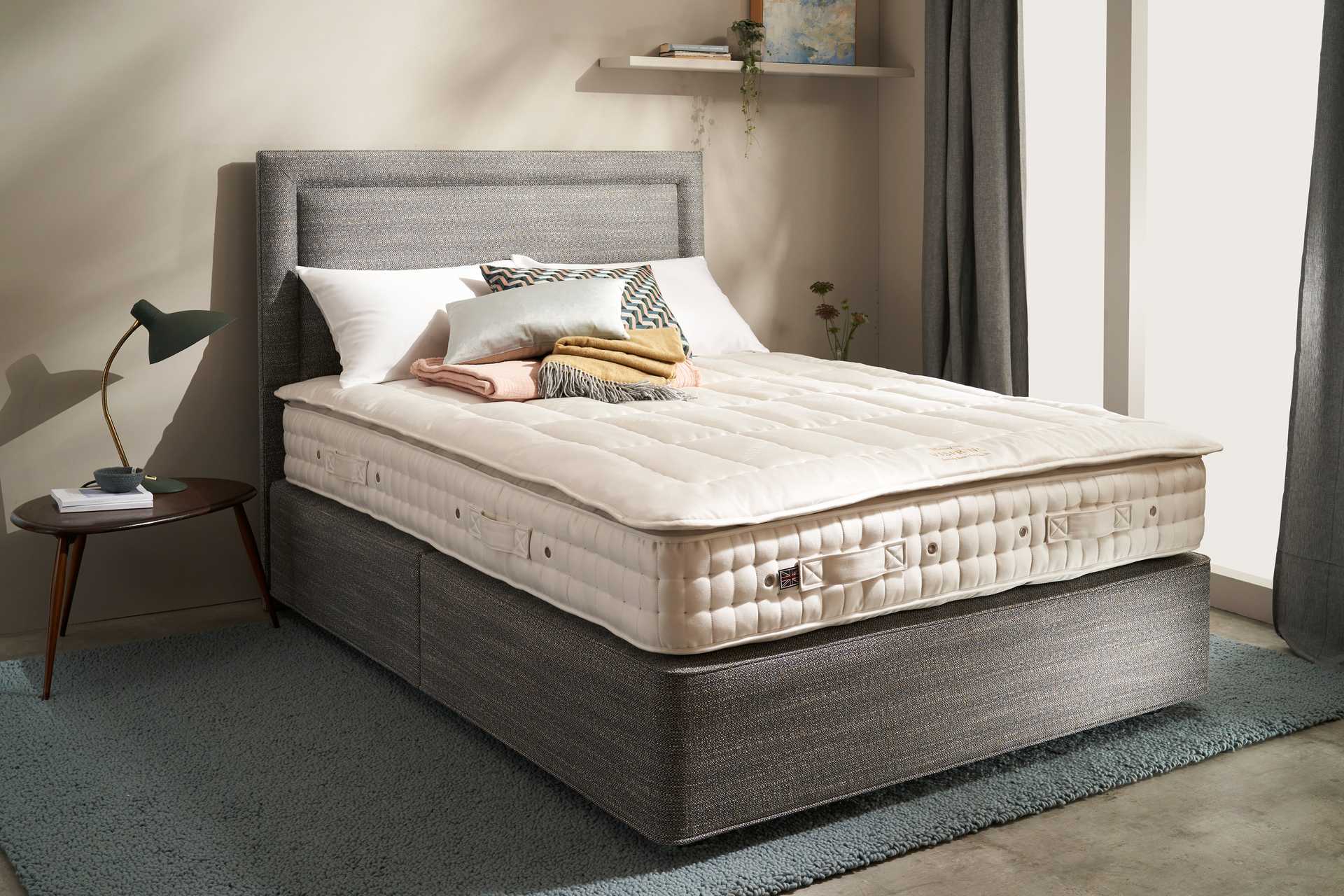
Illustrative example: the Vispring Heaven Luxury Mattress Topper
While not a latex core, a high-quality mattress topper such as Vispring Heaven Luxury can cast light on how layers influence the sense of support and temperature in a sleep system. This topper uses natural materials, including British wool and cotton, to regulate temperature and provide a refined sleep surface that complements a latex core when used as part of a layered bedding strategy.
Vispring Heaven Luxury Mattress Topper
Material notes: Crafted with pure British wool and cotton, designed to regulate temperature and relieve pressure points.
Role in sleep system: Adds a breathable layer of luxury that can temper latex feel, offer an extra cushion, and improve temperature balance for some sleepers.
Glossary of terms for sleep material literacy
- Latex: A natural material derived from rubber tree sap used in mattresses for support and contour.
- Dunlop: A latex production method that results in a denser, more supportive core.
- Talalay: A lighter, more buoyant latex with a uniform cell structure.
- GOLS: Global Organic Latex Standard, a certification for organic latex production.
- GOTS: Global Organic Textile Standard, for organic textiles used in covers and fabrics.
- OEKO-TEX: A certification addressing chemical safety in textiles.
Final thoughts: blending science, Nordic design, and everyday comfort
A thoughtful approach to natural latex mattresses blends materials science, safety certifications, and real-world comfort testing. By adopting a Nordic-influenced frame—emphasizing transparency, durability, and calm, user-friendly information—readers can navigate the mattress market with confidence and clarity.
As with all enduring design, the best choices support long-term health, a healthier environment, and a sense of well-being that begins each night when the bed is made. In the Swedish-inspired ethos of this guide, sleep quality is not a fleeting trend but a daily, scientifically informed practice.