Bedding encompasses a range of textiles and accessories designed to enhance sleep quality, comfort, and hygiene. Key components include sheets, pillow arrangements, and protective layers that influence temperature regulation, moisture management, and overall sleep environment. Understanding fabric types, weaves, and materials helps when selecting items such as organic mattresses or latex-based options for varied sensory preferences.
Within this category, materials like organic cotton, bamboo, and latex blends offer distinct benefits. Organic mattresses often emphasize natural, breathable cores and untreated fabrics, contributing to healthier sleep spaces. Sheets and pillow covers made from breathable fibers support temperature balance, while latex elements in some mattresses provide contouring and responsiveness for different body zones.
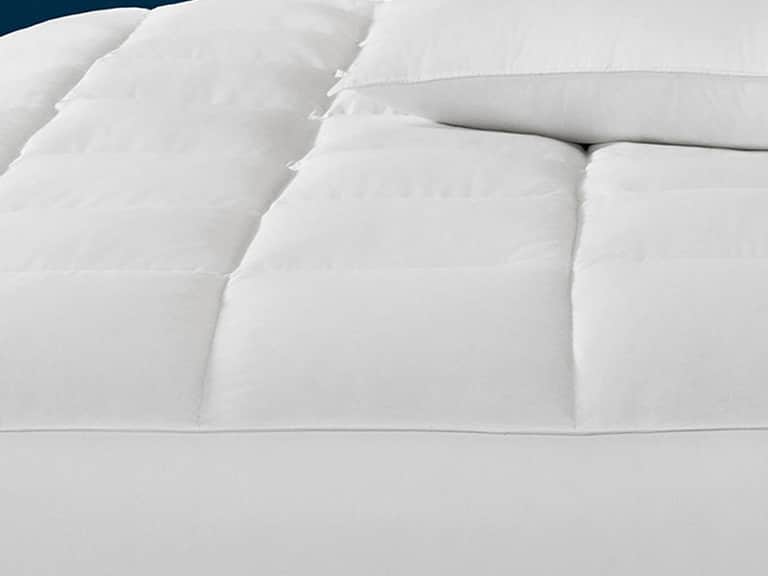
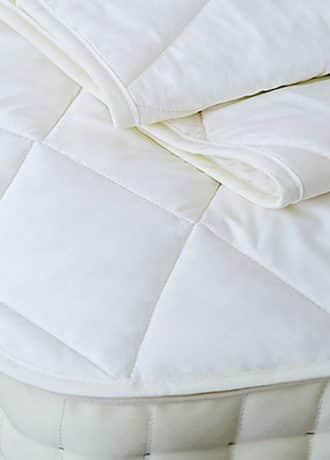
Product examples illustrate practical applications of bedding concepts: Vispring Lux Skirted Mattress Protector delivers a fitted barrier that protects the mattress while maintaining airflow and a neat appearance. York Mattress Pad functions as a breathable layer that helps regulate humidity, and Monmouth Mattress Pad offers cushioning and moisture-wicking properties to extend mattress life.
Understanding these items’ features—such as thread count, weave, and fabric finish—helps determine suitability for sleepers with sensitivities or preferences for cooler versus warmer sleep environments. For instance, a mattress protector may shield against allergens and spills, while a mattress pad can add gentle padding without altering overall firmness.
Key keywords to consider in this bedding context include bedding, pillows, sheets, organic mattresses, and latex. These terms reflect the spectrum of sleep textiles and core materials that influence comfort, durability, and hygiene across different setups and room temperatures, supporting informed choices for long-term sleep health.
 Bedding